
%20(1).avif)


Synchro Arts
Save hours in the studio with vocal processing software created specifically to enhance and simplify the processes of music producers and audio engineers.

How To Get a Great Vocal Performance: 4 Tips From Josefin, Grammy-Nominated Songwriter
My name is Josefin and I'm a professional singer and a Grammy-nominated songwriter based in Sweden.
Writing the song is usually the first part of my job. But once that’s done, I switch roles—coaching vocalists and sitting in on recording sessions to help producers choose the best takes. I also often add background harmonies or double the lead to give vocals more depth and emotion.
Here are four simple but powerful tips I’ve learned to help get the best out of a vocal performance.
It might seem obvious, but you’d be surprised how often this gets overlooked. If a singer feels nervous or insecure in the booth, they won’t deliver their best take—no matter how technically skilled they are.
As a producer or coach, your job is to create a space where the vocalist can feel safe, expressive, and confident. That might mean giving thoughtful feedback, cracking a joke, dancing in the room with them, or even taking a break when the energy dips.
Sometimes all it takes is a little tea with honey, or a quick chat to reset the vibe. And of course, always make sure their voice is warmed up before you hit record.
A great-sounding signal path makes a huge difference for everyone in the room. Having a vocal chain set up with EQ, compression, reverb, and maybe even a tuner helps the singer hear themselves clearly—and in a flattering way.
It’s encouraging to hear a take sounding close to finished while tracking. In my experience, it pushes vocalists to deliver even better performances when they hear how good they already sound in the mix.
So many things can be fixed after the fact—pitch, timing, level. But energy? That has to come from the performance. No plug-in can fix a lifeless vocal.
So don’t worry if a take has a slightly off note or imperfect phrasing. If the feeling is there, you’ve got something worth keeping.
Personally, I always choose a vocal that makes me feel something over a technically “perfect” one. If it’s a sad song, I want to feel the sadness. If it’s joyful, let that smile shine through. (Speaking of which, here’s a pro tip: singing with a smile literally changes the tone of your voice. Try it—it works.)
Once tracking is done, good tools make your life way easier. My vocal arrangements can have anywhere from 50 to 100 tracks—so editing has to be fast, flexible, and reliable.
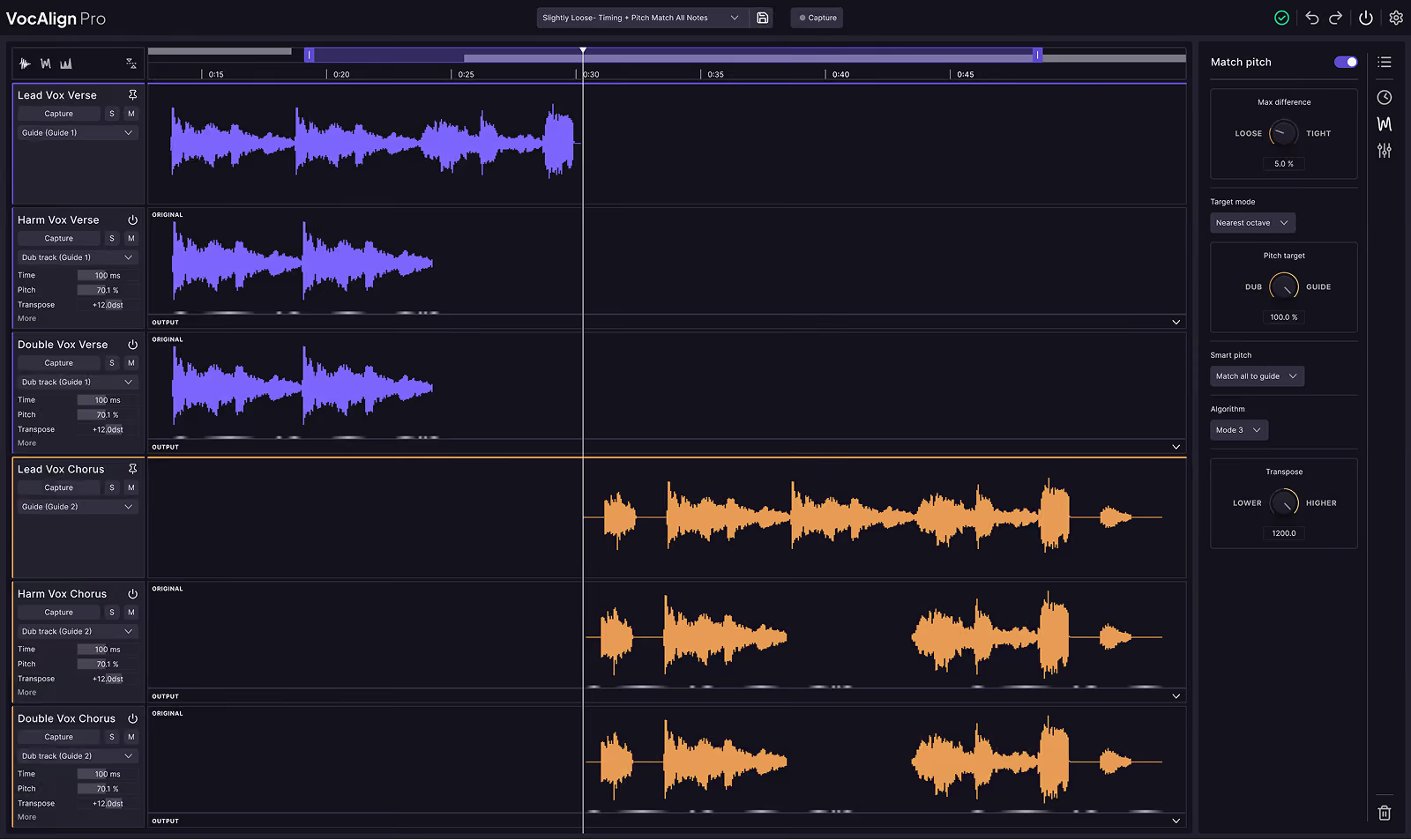
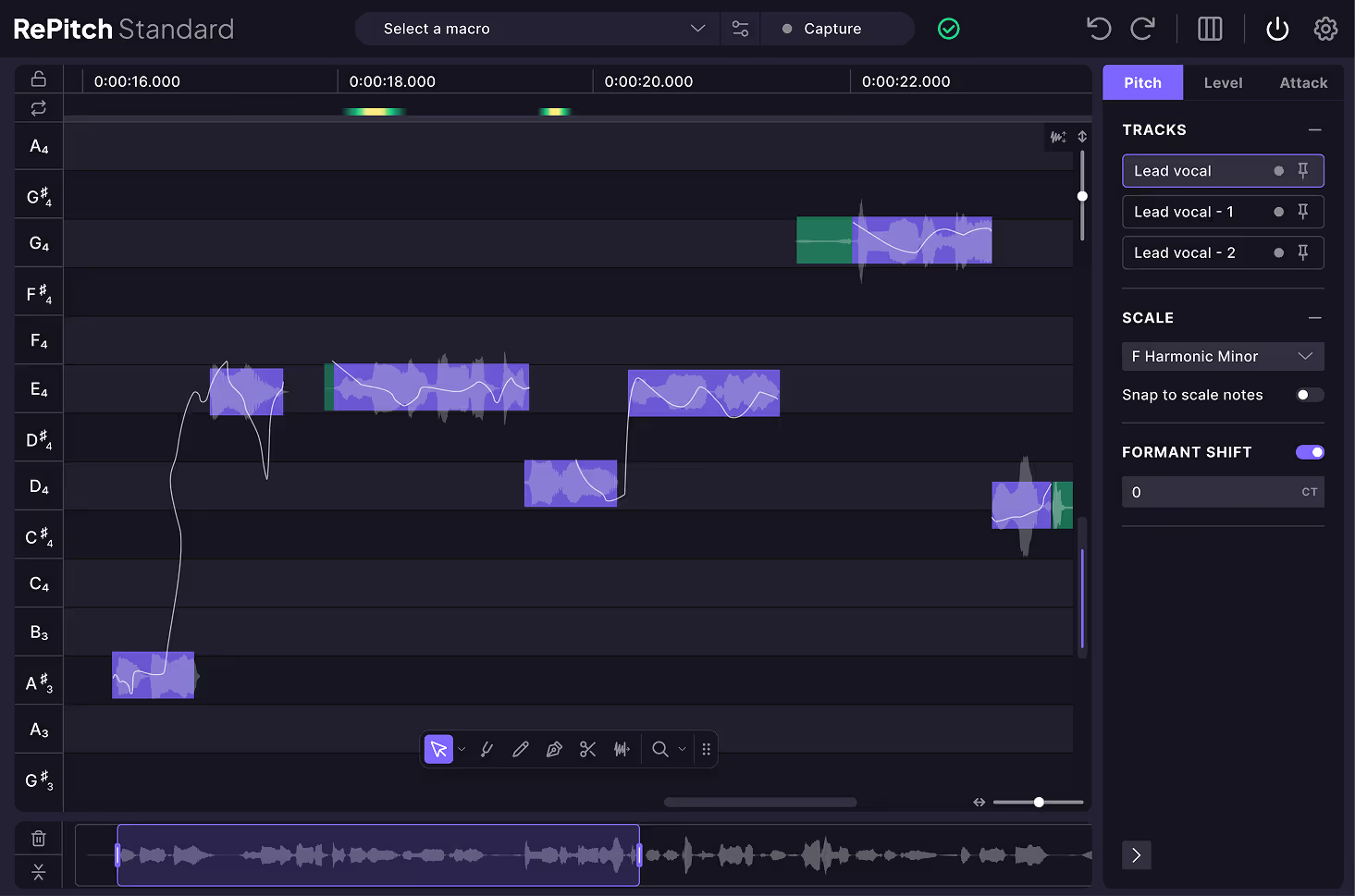
One tool I’ve come to rely on is Revoice Pro 4. It helps me handle timing, tuning, and layering tasks all in one place. It’s super powerful and saves tons of time in the vocal editing process.
Creating music isn’t always easy—but it should always be fun. When things get tough, I remind myself why I started: it’s about the love of music. That’s the mantra I try to live by every day.

Save hours in the studio with vocal processing software created specifically to enhance and simplify the processes of music producers and audio engineers.


