
%20(1).avif)


Synchro Arts
Save hours in the studio with vocal processing software created specifically to enhance and simplify the processes of music producers and audio engineers.

Tracking vocals is a crucial phase in any music production workflow. As the focal point of most pop productions, vocals naturally occupy a lot of your attention during the process.
But tracking sessions are among the most stressful situations for singers. With so much riding on the result, tensions can run high in both the control room and the vocal booth.
Even so, the best producers know how to get great results, even under challenging conditions.
In this article I’ll share my top 6 tips for successful vocal tracking sessions. Let’s get started.
Good microphone choice is the bedrock of any successful vocal tracking session.
But it’s notoriously hard to predict what will work when it comes to vocals. Even the most coveted vintage microphone may not be the right fit for every vocalist.
That’s why every first session with a vocalist should involve at least some direct comparison between mics.
Of course, you’ll need to balance sonic experimentation with time and workflow constraints, so use your intuition and be prepared to make a confident choice.
If you have good instincts for which mic options to audition, you’ll save a lot of time and energy making the call.
Singers often have a strong intuition for the sound that captures their own sense of their vocal sound, so listen to their feedback as you compare mics.
Choose what feels comfortable, flattering and suited to the rest of the song.
It’s easy to rack up takes while tracking with a singer who’s determined to nail a part.
But sorting through dozens of near-identical options can be paralyzing, especially if you wait until long after the session has taken place.
Not only that, it doesn’t help the singer get a sense of how their final part will sound during the tracking session.
Creating a rough comp on the spot can save you time running the vocalist through additional takes.
It also provides a natural break in the action for the singer to rest their voice and reflect on how they want to adjust their performance.
Additionally, some vocalists appreciate the opportunity to give their opinion on which parts are chosen for the comp.
You may find that on the spot comps are good enough to make it to the final edit if you take the time to create them with intention.
Outside of the studio, singers rarely get the chance to put each and every note under the microscope.
As a result, their parts may contain phrases or sections that still need to be defined and rehearsed, even as they record in the studio.
In these cases, loop recording is your friend.
Place your loop braces around the difficult segment with enough space on each end for the singer to get ready.
Most DAW comping workflows include an option for successive loops to generate new takes on each pass.
With this mode engaged, simply let the vocalist workshop the passage to solidify the part.
Just be careful not to entrench the error by having them repeat their mistake over and over!
Making a vocalist feel comfortable starts with a great monitor mix that gives them everything they need to deliver the part.
For example, some louder singers are used to the feeling of compression on their vocals as they sing.
Whether it's loud rock singers used to pushing a small club PA, or a vocalist who normally sings unamplified, the dynamic range of a studio vocal chain can be jarring.
A bit of compression on the singer’s monitor mix can help them feel more comfortable, especially for louder, belted sections.
Not only that, a completely dry, solo’d vocal can make vocalists feel a bit bashful if they’re not used to it.
Make sure you have some method to add a bit of flattering reverb to the monitor mix if it can help with the singer’s confidence.
Tracking in the studio can open a lot of new creative possibilities for singers.
Whether it’s additional harmony lines, backgrounds or double tracks, it’s easy to get carried away with extra material.
While most of this is positive experimentation that gives you more options in the mix, make sure to stay focused on nailing the main lead lines.
If you haven't captured enough material for a definitive take on the leads, don’t move on to backgrounds when the clock is ticking.
That said, make sure not to go overboard once you’ve gotten enough to move forward.
With today’s technology, it may not even be worth spending extra time to nail clean doubles.
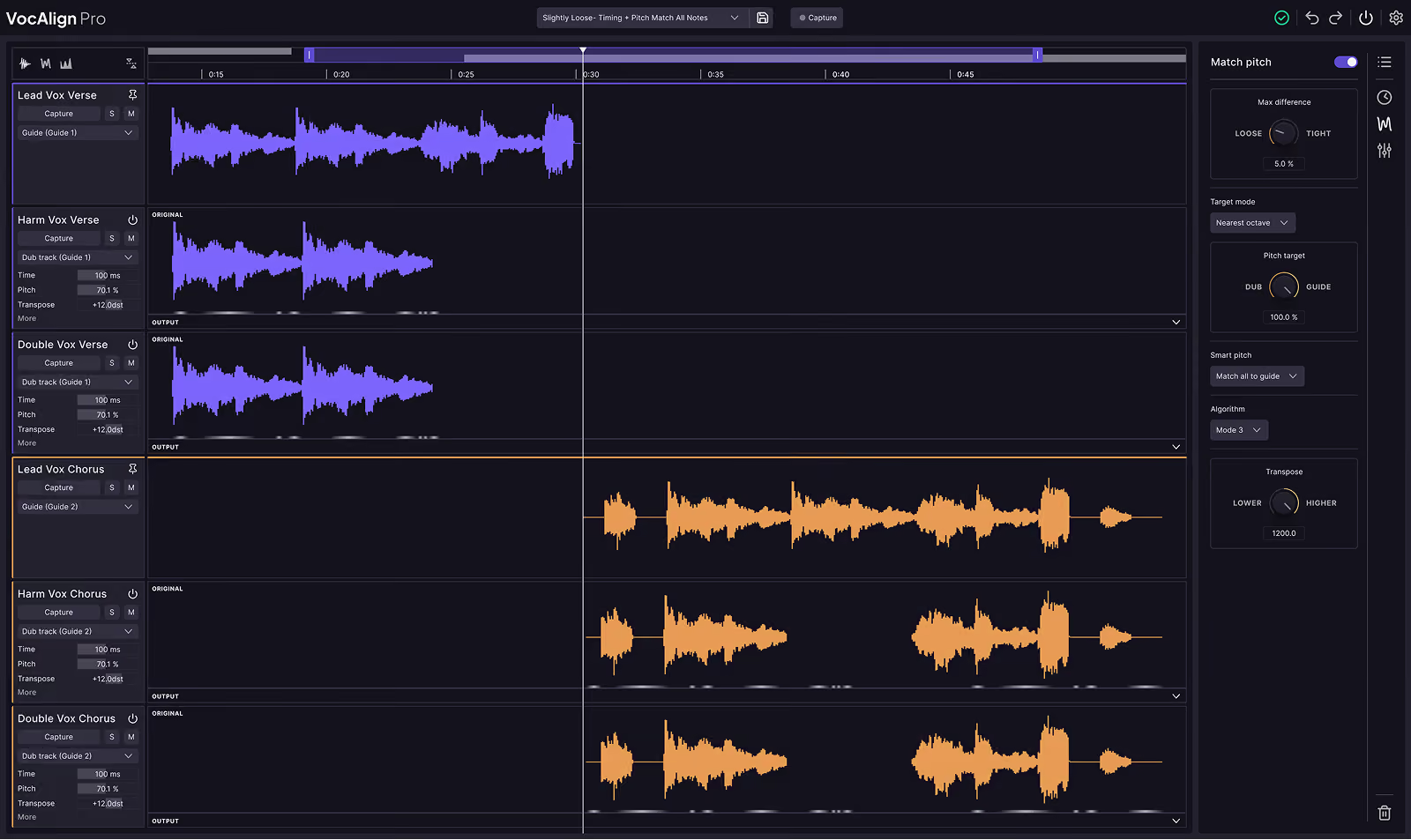
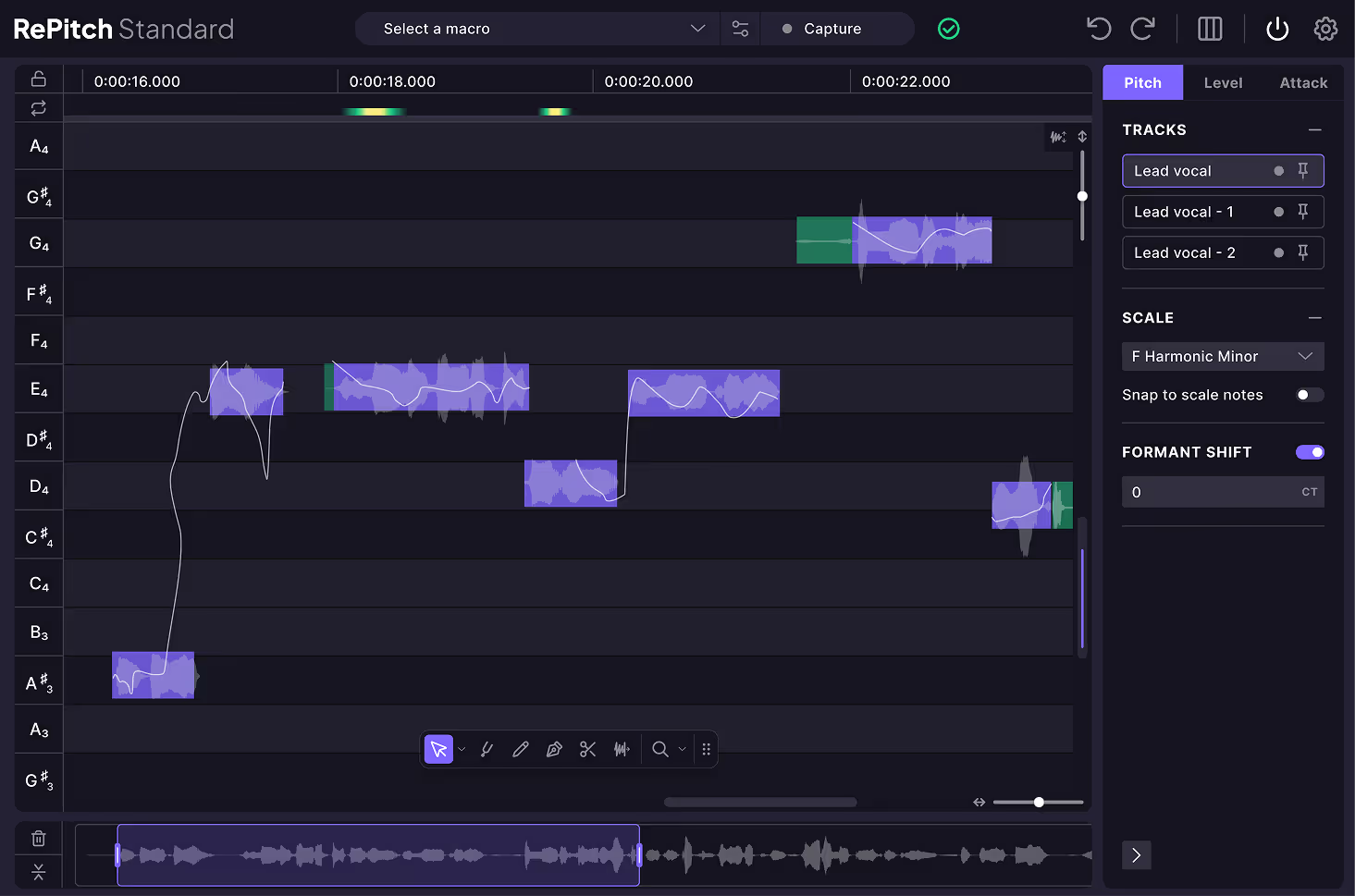
Tools like VocAlign and Revoice Pro can invisibly align vocals to a guide track, so there’s no need to fuss over minor timing quirks in a double track.
That said, extra material will add to your editing time later, so weigh the fun of experimentation against the additional work you’re creating for yourself.
But don’t waste any time manually aligning doubles and harmonies—VocAlign is purpose built to eliminate this tedious process!
Finally, vocal tracking is notoriously inconsistent, no matter how prepared the singer is going into the session.
They may be completely on point one day and unable to reproduce their results the next. Remember that it’s not an issue with their skill or capability and that even highly accomplished singers have off days.
Pushing for additional takes when a singer is struggling through a bad day will almost never result in a better recording.
So don’t bother.
Be open to cutting sessions short if they’re starting to feel unproductive.
It’s usually better to postpone so the singer can try another day rather than waste precious time in a rut.
On top of that, this kind of flexibility gives clients a sense that you’re responding to their needs. That can go a long way when it comes to landing repeat bookings!
Tracking vocals requires a specific approach to get the best results.
But getting it right is mostly common sense and good bedside manner.
If you work with vocalists often, consider trying these tips for better, more consistent vocal tracks.

Created and vetted by the team of editors, artists and engineers at Synchro Arts.
Save hours in the studio with vocal processing software created specifically to enhance and simplify the processes of music producers and audio engineers.


