
%20(1).avif)


Synchro Arts
Save hours in the studio with vocal processing software created specifically to enhance and simplify the processes of music producers and audio engineers.
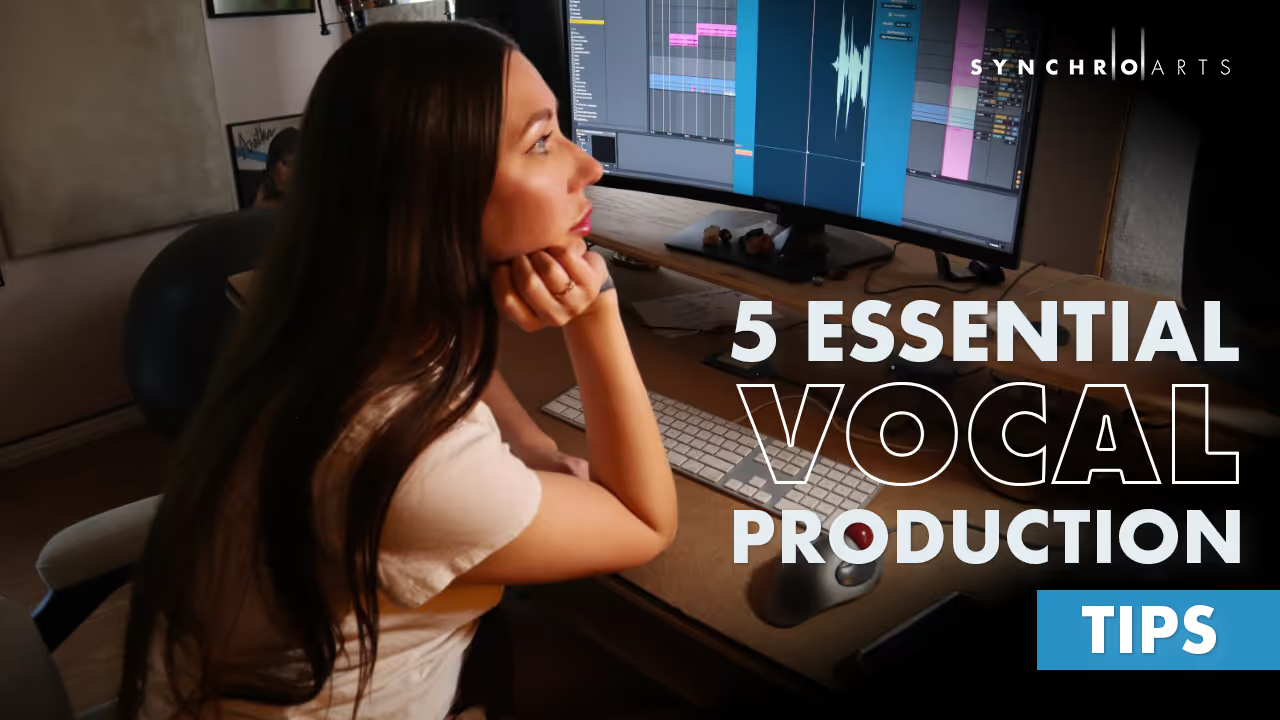
When it comes to pop vocal production, no genre takes it more seriously than K-pop. It’s one of the most detail-oriented musical styles out there—and vocals are no exception.
Alina Smith knows that better than most. She’s a top-level pop producer who’s worked with major K-pop artists like ITZY, Red Velvet and Mamamoo. In one of her latest walkthroughs, she shared five of her go-to vocal production techniques—using her own song “Moody” as a case study.
From tight double tracking to shimmering vocal pads, here’s how she gets those clean, punchy, and polished vocals that define modern pop.
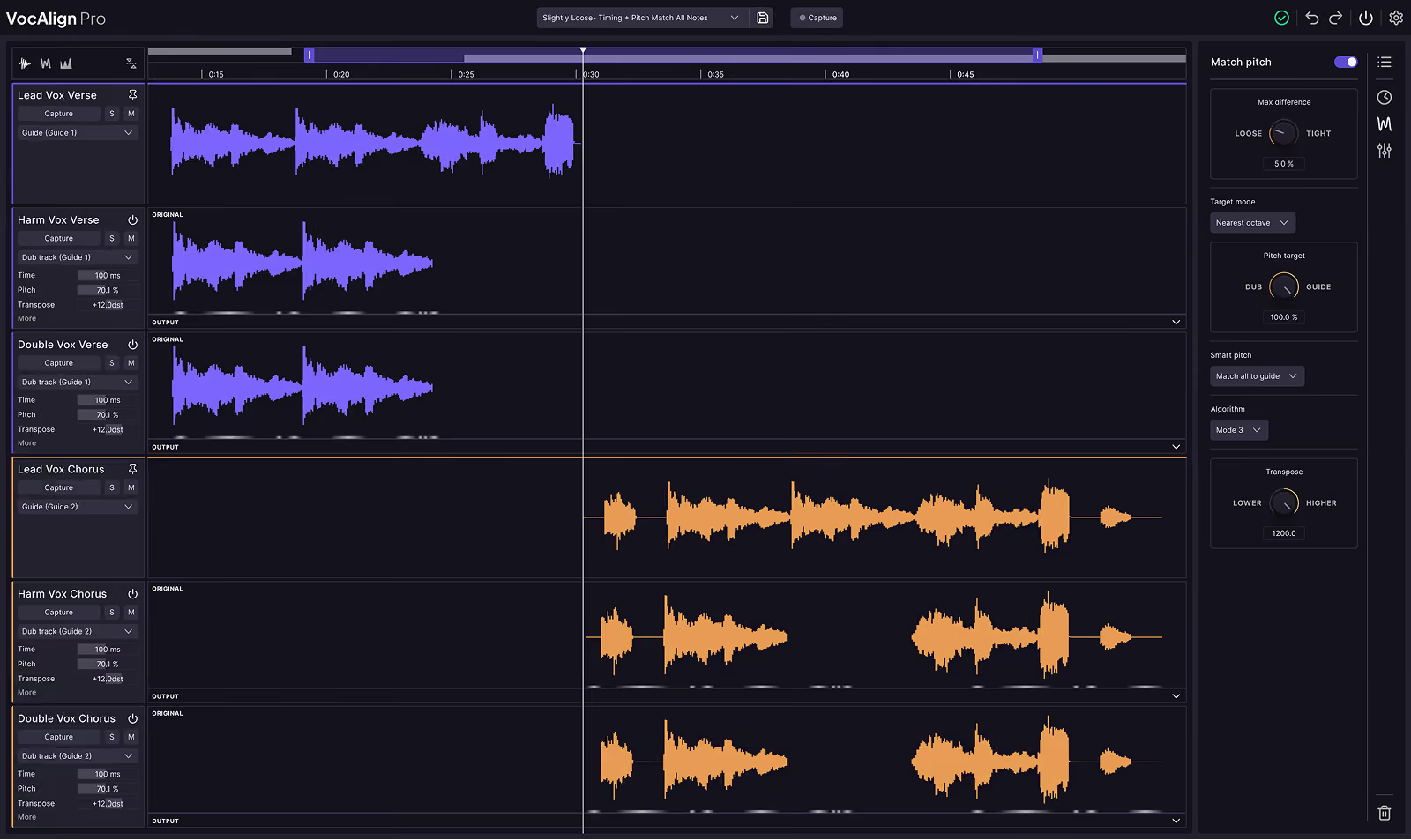
Vocal alignment might sound like a technical chore, but for Alina, it’s one of the most creative parts of her process. She uses VocAlign Project 5 to lock in timing between doubles, harmonies, and gang vocals in Ableton—and it’s one of her most essential tools for pop vocal production.
“Tight timing on dubs, harmonies, gangs and doubles is part of my style as a pop producer. I really like when you hear vocals and they just sound so tight—it makes me very, very happy.”
Alina also mentions how important it is to be able to control how tightly your vocals align, depending on the genre. For her own pop tracks, a tight match is key to keeping things clean and modern. But she adds that looser timing might work better for more raw genres like rock or country.
“I strongly recommend [VocAlign] for doubles specifically because I really dislike it when I can hear that the double is a double—I just want it to feel like it’s one vocal.”
Next up, reverb throws—a classic trick in the vocal producer’s toolkit.
A reverb throw is when you duplicate a word or phrase and add a long-tail reverb to it, making that moment feel bigger and more dramatic. It’s especially effective on ad libs or emotional peaks.
“It creates a moment,”
Alina says. And she’s right—this technique adds instant polish and atmosphere to a vocal mix without overwhelming the listener.
Static reverb and delay are fine—but if you want your vocal mix to breathe, automation is the move.
Alina automates reverb and delay using send busses in her DAW. This means the dry vocal stays untouched while the effects can swell or pull back depending on the part of the song.
“It gives you a lot of control over your vocal effects,”
she says. For choruses, she’ll turn up the gain on both reverb and delay to make the section “feel huge.”
You don’t have to make metal to use gang vocals.
Alina uses them in pop to add punch and width to her choruses. The trick? Record several people (or even yourself multiple times) yelling or chanting the part. Stand further from the mic, pan them wide, and turn them down in the mix.
Bonus tip from Alina: if you want them to stand out even more, thin them out with EQ and add a bit of distortion for grit.
Last but not least, Alina recommends creating vocal pads by layering airy harmonies.
“The voice is the only instrument in your track that no one else has—anyone can recreate a patch, the vocal, not so much.”
To get that signature shimmer, she records three-part harmonies and uses EQ to highlight the high-end. Then she pans them hard left and right to make the vocal pad float around the lead.
The result? A lush, atmospheric vibe that’s unique to the singer’s voice—and perfect for modern pop.
Whether you're working on your first track or producing polished vocal stacks for release, these tips from Alina Smith show how much of pop music's vocal magic comes down to detail and decision-making.
And if you're looking to try out VocAlign Project 5 yourself, there's a 14-day free trial available so you can put some of these techniques to work in your own session.
Want more tips like this? Stick around—we’ve got more vocal production tricks, plugin deep dives, and real-world walkthroughs coming your way.

Created and vetted by the team of editors, artists and engineers at Synchro Arts.
Save hours in the studio with vocal processing software created specifically to enhance and simplify the processes of music producers and audio engineers.


